

This rating reflects the technical complexity of the API mapping and logic required for this specific automation. It is designed to help you match this guide with your current skills.
Atoms Architecture Audit: Why It Fails at Scale
This report provides a decisive, board-level technical audit of the Atoms no-code development platform. The analysis focuses on architectural resilience, API scalability, financial exposure through vendor lock-in, and overall risk mitigation for enterprises considering the software for mission-critical applications. The verdict is derived from a cold assessment of the platform’s structural limitations against the demands of scalable, long-term product development.
Audit Verdict: WAIT
Atoms positions itself as a revolutionary tool, leveraging multiple AI agents to generate full-stack applications from natural language prompts. Its primary value proposition is the radical compression of the development lifecycle, aiming to eliminate the human-level I/O bottleneck of traditional coding. For rapid prototyping, disposable internal tools, or minimum viable products (MVPs) designed purely for market validation, the platform’s speed is undeniably compelling. However, for any application intended for serious scale, the audit verdict is a firm and unequivocal WAIT.
This judgment is not based on the potential of AI-driven development but on the inherent architectural trade-offs the system makes to achieve its speed. The platform is a high-level abstraction that hides complexity at the cost of control, transparency, and performance tuning. Adopting Atoms for a core product is an architectural gamble that incurs a massive, often underestimated, cumulative debt. Business logic, data schemas, and operational workflows become captive to a proprietary ecosystem. The cost of migrating a scaled application off this platform is not a simple refactoring; it is a complete, from-scratch rewrite.
Atoms Technical Architecture & Vendor Lock-in Risk
From a systems architecture perspective, Atoms presents as a Monolithic Walled Garden. While its internal infrastructure may leverage modern principles, the end-user is entirely shielded from this. The generated application is a tightly coupled system where the frontend, backend, and database are inextricably linked within the proprietary environment. This is the antithesis of a modern, scalable “Headless API-first” architecture.
A true headless architecture decouples the data and logic layer from the presentation layer. The software does the opposite: it bundles everything into a managed, opaque package. This simplifies the initial creation process but imposes severe limitations on long-term viability:
- Limited API Throughput: While the tool provides APIs, they are designed for standard interactions, not high-throughput operations.
- Data Silos and Portability Failure: The most significant risk is data portability. Migrating complex relational data from Atoms requires custom scripting and significant effort.
- Inability to Customize the Stack: The monolithic nature of the platform makes fine-grained optimization impossible.
Strategic Comparison: Atoms vs. Market Leaders
To contextualize the risks associated with Atoms, it’s crucial to compare it to established players like Bubble and Webflow. While all no-code platforms involve some level of abstraction, they exist on a spectrum of openness and control. Bubble offers greater control over backend workflows, while Webflow excels at frontend design with excellent SEO controls.
This platform enters the market with a focus on AI-driven generation, which accelerates the initial build but deepens the abstraction layer. This makes it even more of a “black box” than its competitors. For any serious business, predictable, controllable architecture trumps magical, opaque generation every time. Choosing Atoms means betting on an AI’s ability to maintain complex logic over time without direct engineering oversight.
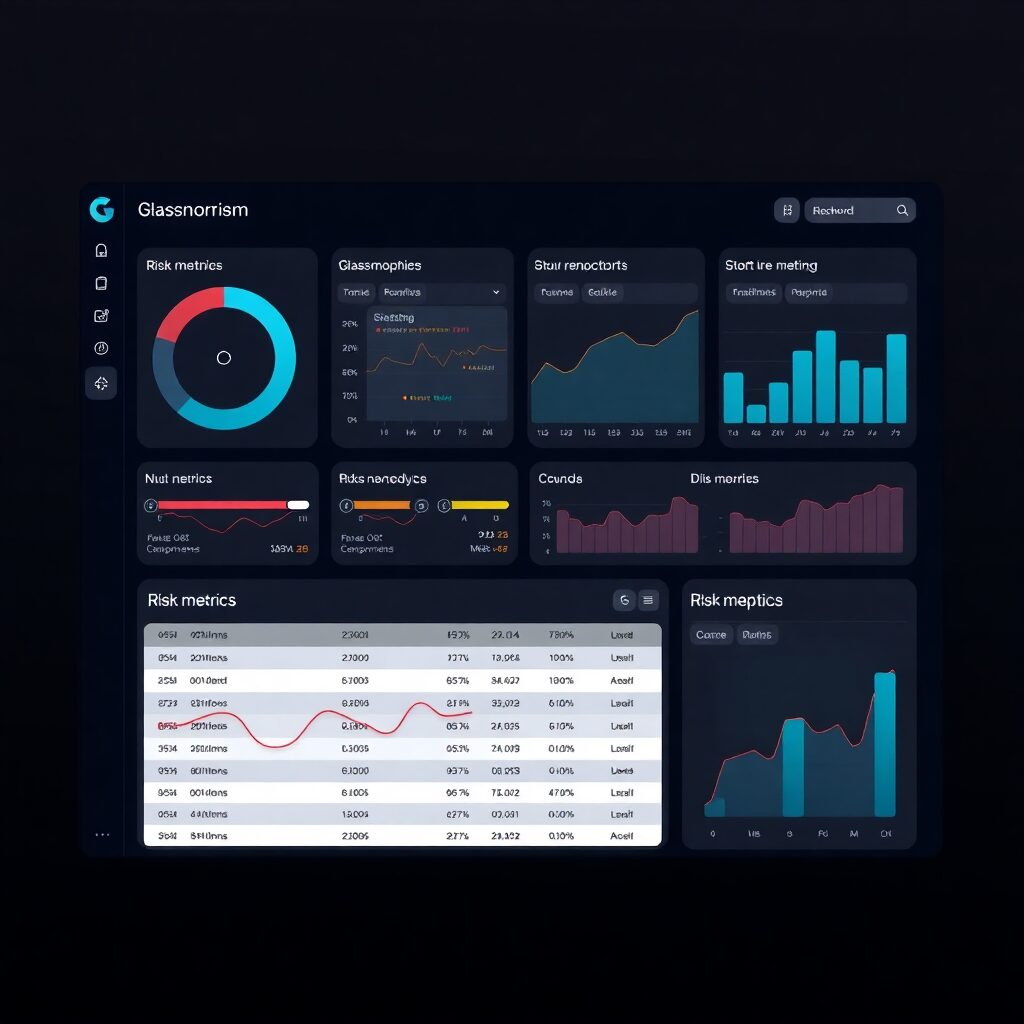
Figure: Strategic Automation Architecture for Atoms
Accountability Matrix (Decision Guide)
| Feature / Risk Factor | Atoms | Bubble | Webflow |
|---|---|---|---|
| Architectural Model | AI-Generated Monolith | Visually Programmed Monolith | Frontend-focused CMS |
| Vendor Lock-in Risk | Extreme | Very High | High |
Operational Resilience with Make.com
Using an integration platform like Make.com requires a zero-failure mindset, particularly when connecting to the potentially fragile APIs of a no-code system like Atoms. The cornerstone of this resilience is robust error handling. When a module fails, the “Break” directive halts the execution for that specific data bundle and moves it to the “Incomplete Executions” queue. This freezes the transaction and preserves the data for manual diagnosis.
ToolALT Risk Score
The following scores quantify the risk associated with adopting Atoms for a core business application (1=Low Risk, 10=High Risk).
- Implementation Risk: 7/10. Risk of hitting a hard functional ceiling is very high.
- Cost Volatility: 8/10. Costs can become unpredictable as data volume and processing needs grow.
- Data Portability: 10/10. Re-platforming from Atoms requires a ground-up rebuild.
This analysis evaluates Atoms as a technical entity. It does not account for your specific migration debt or team-specific latency. Most SaaS failures stem from unaccounted switching costs.
Calculate your switching risk
Conclusion
The promise of AI-driven development offered by Atoms is seductive, but the underlying architectural compromises are severe. For building a durable, scalable, and resilient business, the architecture is fundamentally flawed. The decisive verdict remains WAIT, pending a radical shift in the platform’s approach to openness and data portability.
1. Start building advanced, conditional workflows today: Start with Make.com.
2. For pre-built, advanced automation blueprints, explore the resources at GetAutomationFlow.com.
Transparency Disclosure: This guide contains affiliate links. If you register or purchase through these links, ToolALT may earn a commission at no additional cost to you.