
🎯 AI Difficulty Rating: Ease of Use: 4.5/5
This rating is calculated by our system to help you determine if this automation matches your current technical skill level.
Canary Review: In the crowded market of language learning applications, few tools manage to break the monotony of flashcards and grammar drills. Enter Canary (Sing with Canary), a new entrant that promises to teach you languages through the universal medium of music. But is this fun, karaoke-style approach effective for serious learners, or is it just a novelty act? In this comprehensive Canary review, we dive deep into its features, usability, and how it stacks up against giants like Duolingo.
Language acquisition is notoriously difficult. Most people quit because they get bored. Canary attempts to solve the “boredom problem” by leveraging the “earworm effect”—using catchy melodies and rhythms to help vocabulary stick. Launched recently by Ben Guez, the app has quickly garnered attention on Product Hunt for its unique spin on education. However, critics argue that lyrics often break grammatical rules, potentially teaching students incorrect sentence structures. Is the trade-off worth the engagement boost?
If you are asking yourself, “Is Canary the right tool for me?” or “Are there better Canary alternatives?”, you have come to the right place. We have analyzed the app’s beta performance, user feedback, and unique selling points to give you a definitive verdict.
What is Canary?
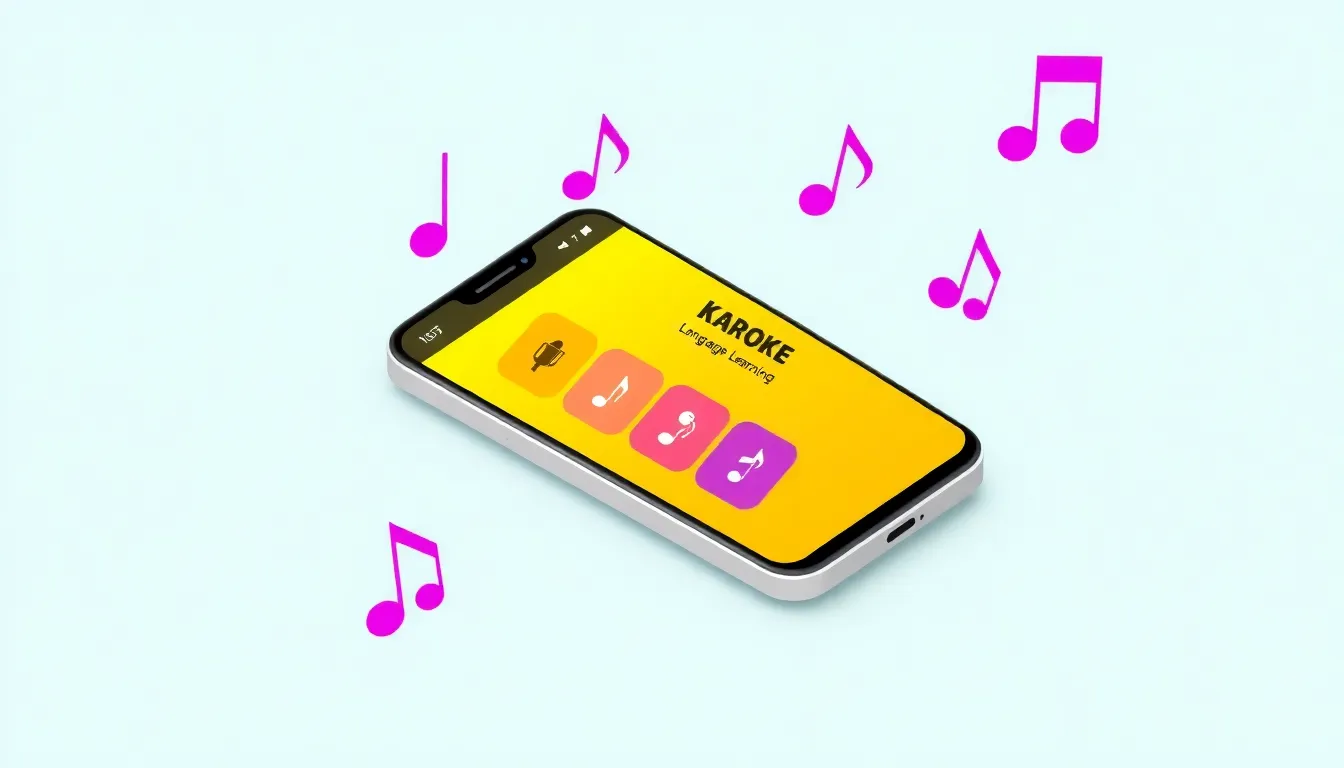
Canary is a language learning platform that uses music videos as its primary teaching material. Unlike traditional apps that use fabricated sentences like “The cat is under the table,” Canary immerses you in real culture through songs you might actually want to listen to. The premise is simple: you pick a song, listen to it, and engage with the lyrics in real-time to learn new words and pronunciation.
The app currently supports five major languages: English, French, Spanish, Italian, and German. It targets the “casual learner” demographic—people who want to learn a language but lack the discipline for rigorous academic study. It is also appealing to intermediate learners looking to improve their accent and listening comprehension.
The Origin Story
The tool’s inception is a classic example of product-market fit discovery. Founder Ben Guez noticed high engagement on social media videos where he simply sang in French with English subtitles. Realizing that people were using these clips to learn, he pivoted from content creation to software development, building a dedicated platform where this passive consumption could become active learning.
Pricing and Availability
As of early 2026, Canary is in a public beta phase. Currently, the core features are available for Free, which is a massive draw for early adopters. However, as with most SaaS tools in this space, we expect a freemium model to emerge, likely gating advanced features like unlimited quizzes or offline mode behind a subscription wall in the future. It is available on both iOS and Android.
Key Features & Unique Selling Points
In this section of our Canary review, we break down the specific functionalities that set this tool apart from the sea of competitors.
1. Real-Time Lyric Translation & Vocabulary Saving
The core interface of Canary resembles a music player. As the video plays (sourced via YouTube API), lyrics scroll in real-time. Users can tap on any word they don’t understand to see an instant translation. This “contextual learning” is powerful because it links the word’s meaning to a specific emotion and melody in the song. You can then save these words to a personal vocabulary list for later review, bridging the gap between passive listening and active retention.
2. Karaoke Mode for Pronunciation
Perhaps the most distinct feature is the Karaoke mode. Most language apps use speech recognition to grade your pronunciation of dry sentences. Canary asks you to sing. This lowers the inhibition barrier; singing along to a track feels less like a test and more like a game. While the app is still refining its feedback mechanisms, the act of mimicking a singer’s intonation is excellent for mastering the “flow” and accent of a new language, something textbooks rarely convey.
3. YouTube Integration
Content libraries are often the bottleneck for learning apps. Canary bypasses this by integrating with YouTube. Users can search for and import virtually any song available on YouTube into the app. This means the content library is effectively infinite and always up-to-date with the latest hits. Whether you want to learn Spanish through Bad Bunny or German through Rammstein, the choice is yours.
4. Social Learning Layer
Canary is trying to build a community, not just a tool. The app includes features to connect with other learners, share progress, and even compete in quizzes. The roadmap includes plans for native speakers to provide feedback on recordings, which would transform Canary from a self-study tool into a social exchange platform.
Top 3 Alternatives to Canary
While Canary is innovative, it isn’t the only player in the game. If you are looking for a more structured approach or different media types, consider these Canary alternatives.
1. Duolingo (The Structured Giant)
Duolingo needs no introduction. It is the market leader for a reason. Unlike Canary’s free-form, music-based approach, Duolingo offers a highly structured, gamified skill tree. It ensures you learn grammar and vocabulary in a logical order.
Verdict: Choose Duolingo if you are a complete beginner who needs structure. Choose Canary if you are bored of Duolingo and want to improve listening skills.
2. Lingopie (TV & Movie Immersion)
Lingopie is the closest direct competitor in terms of “media immersion.” Instead of just music, Lingopie licenses actual TV shows and movies in foreign languages. It offers clickable subtitles and flashcards similar to Canary but applies them to long-form video content.
Verdict: Lingopie is better for visual learners who prefer storytelling over music. It is a more mature product with a larger library of non-music content.
3. Lirica (Music-Based Competitor)
Lirica is a mobile app that also teaches languages through music, specifically focusing on Spanish and German. It has been around longer than Canary and features curated lessons built around specific songs, explaining the grammar and culture behind the lyrics.
Verdict: Lirica offers more “guided” lessons per song compared to Canary’s user-generated/import style. If you want a teacher explaining the lyrics, Lirica is a strong choice.
Feature Comparison Matrix
To help you decide, here is a side-by-side comparison of Canary vs. Competitors.
| Feature | Canary | Duolingo | Lingopie |
|---|---|---|---|
| Primary Method | Music & Karaoke | Gamified Exercises | TV Shows & Movies |
| Content Source | YouTube (Infinite) | In-house Curriculum | Licensed Media |
| Speaking Practice | Singing/Karaoke | Voice Recognition Drills | Shadowing (Repeat after audio) |
| Grammar Focus | Low (Implicit) | High (Explicit) | Medium (Contextual) |
| Price | Free (Beta) | Freemium | Paid Subscription |
| Best For | Motivation & Pronunciation | Vocabulary & Grammar Basics | Listening Comprehension |
Pros & Cons
No Canary review is complete without an honest look at the advantages and limitations.
Pros
- High Engagement: Music is naturally addictive. Learning feels less like work and more like entertainment.
- Infinite Content: Thanks to YouTube integration, you are not limited to a boring library of stock audio.
- Real-World Slang: Songs often use colloquialisms and slang that textbooks ignore, helping you sound more like a native.
- Karaoke Feature: A unique way to break the fear of speaking out loud.
- Free Access: Currently free to use during the launch phase.
Cons
- Grammar Risks: As noted by users, song lyrics often bend grammatical rules for the sake of rhyme or rhythm. It is not a substitute for a grammar book.
- Limited Languages: Currently only supports 5 languages, whereas competitors support dozens.
- Beta Bugs: As a new product, users may encounter glitches or unpolished UI elements compared to mature apps.
- Pronunciation Accuracy: Text-to-speech or isolated word pronunciation in the app may not always match the native singer’s flow perfectly.
Conclusion: Is Canary Worth It?
After a thorough Canary review, our verdict is positive, with a caveat. Canary is an excellent supplementary tool. It is not designed to replace a structured course or a tutor. If you try to learn a language only using Canary, you might end up with great vocabulary and a decent accent, but a shaky understanding of sentence structure.
However, as a tool to boost motivation, discover culture, and actually enjoy the process of learning, it is a game-changer. The “fun factor” in learning cannot be overstated—if an app keeps you coming back every day, it is effective. For users burnt out on the repetitive nature of Duolingo, Canary offers a refreshing, musical escape.
Recommendation: Download Canary while it is free. Use it for 15 minutes a day to warm up your ears and vocal cords, then switch to a more structured app for grammar. It is definitely worth the download for the Karaoke feature alone.
Find the perfect tool for your stack at ToolALT.
Explore More SaaS Reviews & Alternatives
For more advanced tutorials on Canary Review and other automation workflows, visit our GetAutomationFlow guide library.
References & Resources:
Disclosure: This post uses affiliate links. If you click and purchase, we may receive a small commission at no extra cost to you.